
Adaptation
Squamish is Adapting to a Changing Climate
Goal: Maintain a resilient, healthy and livable community
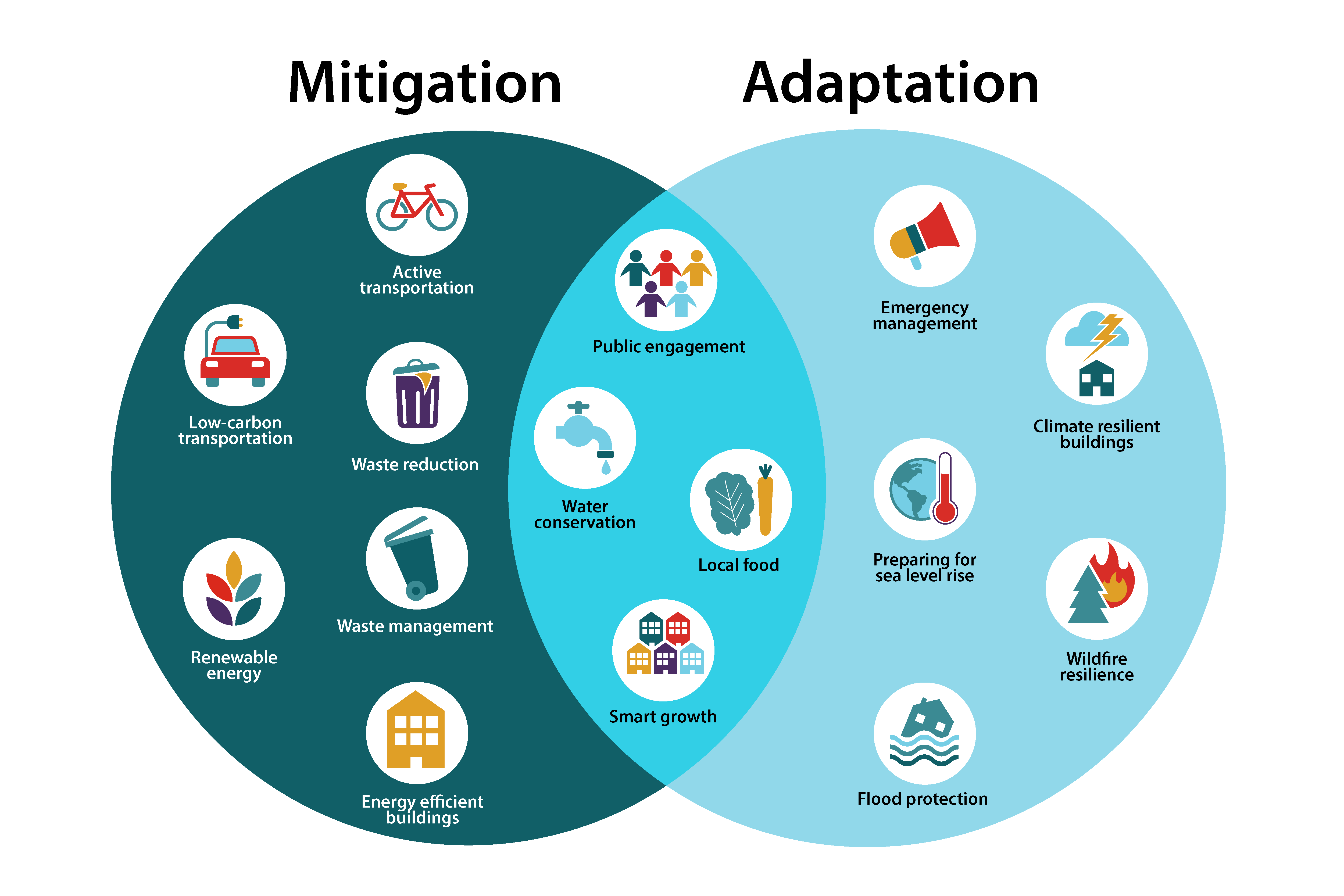
Squamish is working towards a resilient future. In order to achieve this, we must lower emissions to limit future impacts of climate change (mitigation) and prepare for climate events already happening (adaptation).
From wildfires to flooding, the District’s Adaptation Strategy prepares for the challenges we face today and ensures our community is ready in the long term. This strategy supports the 2040 Official Community Plan, a vision document that guides decision-making and growth.
Near-Term Priorities
Sea Level Rise
Extreme Precipitation

Increased Forest Fires
Long-Term Priorities
Water Supply Vulnerability
Economic Development
Changing River Flows

Health

Food Security
What We Are Doing
Preparing for sea level rise & flooding
Increased precipitation, river flooding, and sea level rise are linked threats that must be addressed together. The award-winning Integrated Flood Hazard Management Plan (IFHMP) is a strategy to prepare Squamish for these impacts. The plan outlines four key strategies: protect, accommodate, avoid, and retreat. Key projects include:

The District is upgrading the 21-kilometre river dike system, outlined in the IFHMP.
This policy framework discourages new development in the most hazardous areas and ensures new developments being built today are able to withstand future climate conditions. The Development Permit Area 2 Protection from Flood Hazard is an important part of the Official Community Plan. It provides guidance to developers on how to follow the District’s flood management policies.
Planning for emergency events
Many of the hazards that Squamish naturally faces are heightened by climate change. The District of Squamish has an Emergency Management Plan outlining how to respond to major events like flooding, earthquakes, wildfires, and debris flows.
The District developed the Sea to Sky Multimodal Evacuation Plan in 2019. This plan outlines evacuation strategies and highlights the increasing scale and severity of natural hazard events in the region.
In 2015 Squamish completed a Community Risk Assessment to include climate considerations.
The Squamish Emergency Operations Centre has been relocated from within the floodplain into the new Fire Hall No. 1 in Valleycliffe, which was completed in 2022. This disaster-resilient building is the new headquarters for Squamish Fire Rescue and the Squamish Emergency Program, and can run self-supported for up to a week using renewable energy.
The District invests in programs that increase the ability of neighbourhoods to come together and respond to emergencies by providing training and resources.
Expanding wildfire resilience
The District of Squamish is working to manage wildfires in the region through planning, education, and increasing our ability to respond to them effectively. Here are some initiatives we are working on:
Finalized in 2018 (and updated in 2026), the Community Wildfire Protection Plan has received grant funding for initiatives on education, planning, and removing materials that could fuel wildfires.
This process ensures new developments minimize wildfire risk by requiring fire-resistant building materials and construction in areas where fires are more likely.
This Wildfire Landscape Management Bylaw reduces fire hazards in yards and neighbourhoods.
The District has a FireSmart Program to provide public education and building principles that create more fire resistant homes. The program provides homeowners with assessments on their properties to reduce risk of wildfires through the FireSmart Canada Neighbourhood Recognition Program.
Working with nature
The natural surroundings of Squamish include creeks, estuaries, forests, and shorelines. Preserving nature has many benefits, including clean drinking water, fresh air, and protection from climate impacts. Estuaries store carbon emissions and prevent flooding. Dense vegetation around waterways slows land erosion. The Natural Asset Management Strategy documents natural areas in Squamish and shapes how the District can protect, restore, and care for them in ways that keep the community healthy and resilient. Working with nature is not just efficient, it can also be cost effective, too.
Actions You Can Take
- Prepare your home and family for an emergency. Build an emergency kit and grab-and-go bag, and know your evacuation zone
- Book a FireSmart home assessment and prepare your property
- Sign up for SquamishAlert emergency notification system
- Conserve water
Climate Adaptation Versus Climate Mitigation
| Mitigation | Adaptation | Both Mitigation & Adaptation |
|
|
|